The best learning toys for little kids, recommended by teachers!

Choosing the right toys for young children can shape their early learning experiences. Teachers who work daily with little kids have valuable insights into which toys truly support development. This post highlights the best learning toys recommended by educators, focusing on those that encourage creativity, problem-solving, and essential skills.
Why learning toys matter for little kids
Toys are more than just fun distractions. They help children explore the world, develop fine motor skills, and build cognitive abilities. Teachers observe that children who engage with thoughtfully designed toys often show better focus, language skills, and social interaction.
Learning toys stimulate curiosity and allow kids to experiment safely. They encourage children to ask questions, try new things, and solve problems. This early engagement lays a foundation for lifelong learning.
Top learning toys recommended by teachers
1. Building blocks and construction sets
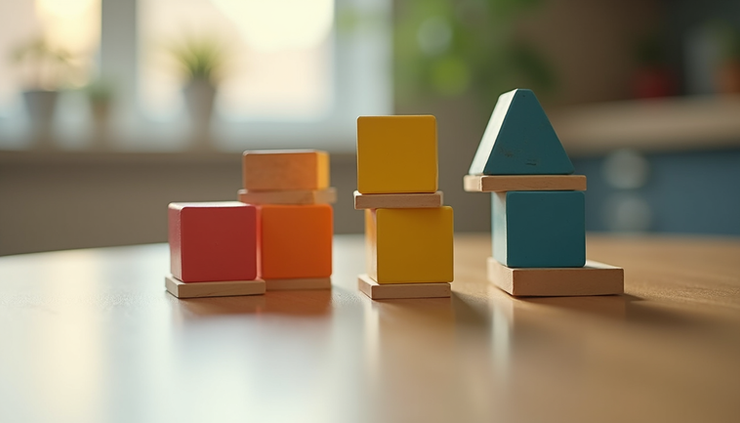
Building blocks remain a classic favorite in classrooms. They support spatial awareness, hand-eye coordination, and creativity. Teachers recommend sets made of wood or durable plastic that come in various shapes and sizes.
Children learn balance and symmetry as they stack and arrange blocks. They also practice counting and pattern recognition when sorting or grouping pieces. Popular options include:
Wooden blocks with letters or numbers
Magnetic building tiles
Interlocking bricks like LEGO Duplo
2. Puzzles with large pieces
Puzzles help little kids develop problem-solving skills and patience. Teachers suggest puzzles with large, easy-to-handle pieces featuring familiar images like animals, vehicles, or everyday objects.
Working on puzzles improves fine motor skills and hand dexterity. It also encourages children to recognize shapes and colors. For toddlers, wooden peg puzzles are ideal, while preschoolers can try jigsaw puzzles with 20 to 50 pieces.
3. Art supplies and creative kits
Creative play is essential for emotional expression and cognitive growth. Teachers recommend art supplies such as crayons, washable markers, finger paints, and modeling clay.
Creative kits that combine multiple materials, like sticker books or craft sets, inspire imagination and storytelling. These activities also improve hand strength and coordination.
4. Interactive storybooks and sound toys
Storytelling builds language skills and listening comprehension. Teachers often use interactive storybooks with buttons that play sounds or music to engage children.
Sound toys like musical instruments or talking animals encourage auditory learning and rhythm recognition. These toys support vocabulary growth and help children connect words with sounds.
5. Sorting and stacking toys
Sorting shapes and stacking rings teach children about size, color, and order. Teachers find these toys useful for introducing basic math concepts.
Examples include:
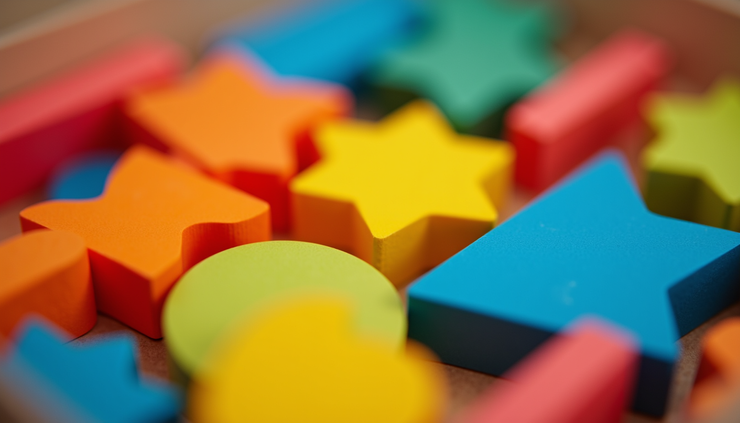
Shape sorters with various geometric forms
Stacking rings with graduated sizes
Nesting cups that fit inside each other
These toys promote concentration and fine motor control.
How to choose the best learning toys
When selecting toys for little kids, teachers suggest considering:
Age appropriateness: Toys should match the child’s developmental stage to avoid frustration or safety risks.
Durability: Look for sturdy materials that withstand rough play.
Open-ended play: Toys that allow multiple uses encourage creativity and longer engagement.
Safety: Avoid small parts that pose choking hazards and choose non-toxic materials.
Educational value: Toys that teach skills like counting, language, or motor coordination add extra benefits.
Tips for parents and caregivers
Rotate toys regularly to keep children interested.
Play together to model how to use toys and encourage social skills.
Observe which toys your child enjoys most and provide similar options.
Balance screen time with hands-on, physical play.
Teachers emphasize that the best learning toys are those that spark joy and curiosity. When children enjoy what they play with, they naturally learn more.


Comments